
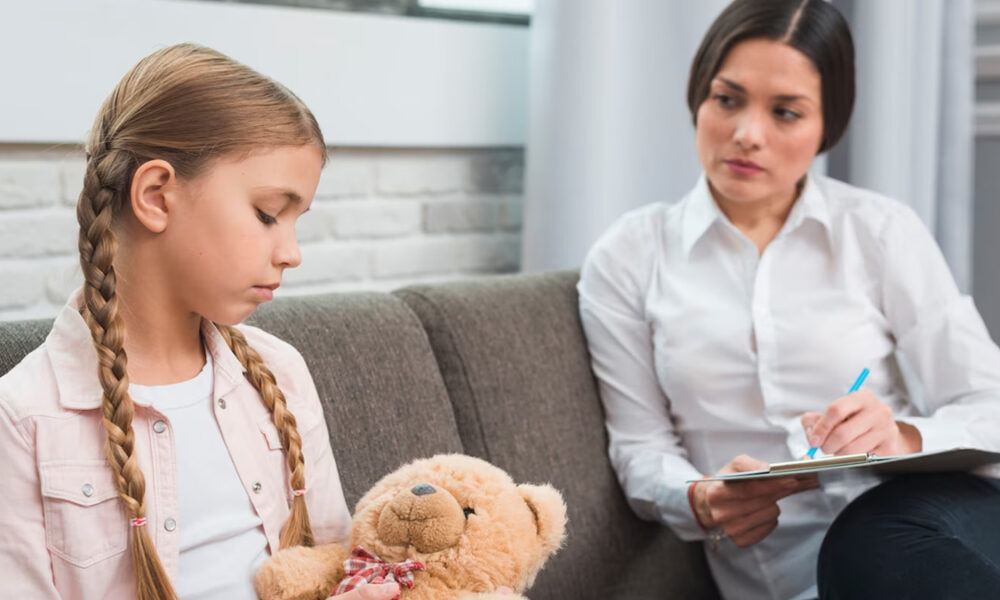
Teachers’ Day: How teachers can support children’s mental health
Children have tests and examinations to worry about and sometimes bullying by fellow students. Some kids also don’t have supportive parents. All this has a major effect on their mental health. According to Unicef, in 2019, it was estimated that at least one in seven adolescents have mental disorders.
That comes down to approximately 166 million adolescent girls and boys across the globe. Teachers play an important role in the mental health of the children. On Teacher’s Day, we tell you how teachers can help children.
Symptoms of mental health issues in children
Children spent a lot of time in school. This makes it possible for teachers to recognize some signs of mental health issues in students.
- Behavioral changes
If children are having mental health issues, there will be sudden shifts in their conduct. You will notice changes like withdrawal, aggression or extreme mood swings, says Dr Kalpna Kohli in New Delhi. - Academic decline
There would be noticeable drops in their academic performance if they had any mental illness or problem. Apart from academics, they would also lose interest in school-related activities.
- Social isolation
Teachers will be able to see a significant reduction in students’ interactions with their peers and a reluctance to participate in any sort of group activities organized in school. - Emotional changes
Children who are battling a mental health issue will have frequent manifestations of sadness, fear, anger or emotional distress that is beyond what’s typical for their age. - Physical complaints
They will also frequently complaint about headaches, stomach aches or other physical discomfort. But there won’t be any clear medical reason behind these health problems.
What to do as a teacher if you notice symptoms of mental health issues?
- Document observations
Just like you keep notebooks of students to check their homework, keep detailed records of the observed attitudes and incidents. Then share those records with school counselors or the child’s parents. - Communicate
As a teacher, you may want to take things into your hands. But instead of going solo, reach out to the school counselor, parents and other pertinent staff members to discuss concerns and develop a plan that will help the children. - Maintain confidentiality
Share information about a child’s problems only with concerned people rather than telling everyone in the staff room. You should respect the student’s privacy and handle the information discretely and sensitively.
Ways in which teachers can support a child’s mental health
While you work only together with the school’s support team to devise strategies that can help the student address their challenges, offer a listening ear. You can also offer a supportive environment for the student, letting them know they’re not alone, suggests Dr. you can also do the following
- Foster a positive environment
Create a welcoming classroom where students feel safe and appreciated. This will help to promote a positive atmosphere for mental well-being of the students. - Build relationships
A teacher-student relationship is very important as teachers help in the development of children. Therefore, form strong teacher-student relationships. This will encourage open communication and trust, and if kids are facing any problem they will come to you for help. - Encouragement expression
Provide opportunities for students to express their thoughts and feelings through discussion, art or writing. - Teach coping skills
In school, you can introduce techniques such as deep breathing, mindfulness and problem-solving to help children manage stress and emotions. These techniques are great for adults and can work wonders for children as well. - Set realistic expectations
It’s good to have expectations, but let them be realistic ones. Establish achievable goals so that there is no excessive academic pressure on the child. This will also help in reducing anxiety, says the expert. - Promote social skills
Teaching is not just about telling students to open their books and go to chapter 1, paragraph 5 and line 2. You can also teach teamwork, empathy, and conflict resolution to enhance interpersonal relations. - Recognize efforts
It might be doing well in a class test or extracurricular activities, but you should acknowledge and praise students’ efforts and accomplishments to boost their self-esteem. - Provide routine and structure
Adults have a routine that they follow in their daily lives, and so should kids. Maintaining a consistent schedule for them creates a sense of stability and predictability. - Offer support services
You can connect students with school counselors or mental health professionals whenever you think it’s necessary. Students may refuse to meet them, but as a teacher you can convince them. - Educate about mental health
Educators can raise awareness about mental health in school. They can integrate discussions about mental health into the curriculum to reduce stigma around mental health.